As an Amazon Associate, this site earns from qualifying purchases.
Fragrance for beginners is easiest when you build a collection around real mornings. Begin with one sample you would wear tomorrow, then add a second direction only when you know what the first cannot do.
1. Name a place before naming a note
Choose a real time you want to wear fragrance. Picture an ordinary Saturday, an evening with friends or the short walk to work.
If you cannot think of a time you would wear a second bottle, a single favorite already counts as a collection that fits your life.
2. Pick two contrasts for the first trial
Try tea and citrus against a warm vanilla, or watery apple against sandalwood. Opposite choices teach you more quickly than several nearly identical samples.
After choosing the broad direction, compare two close neighbors. This time ask which specific difference you notice and whether you want to wear it.
3. Choose the dispenser and then the size
Someone who dislikes spray drifting into the room may enjoy a little roller. Someone who wants to apply a scent without touching the bottle opening to skin may prefer an atomizer.
Once the format is right, choose enough liquid for the role. A once-a-month dinner scent can stay small.
4. Leave a space open
After a few weeks, look for the day you skipped the first bottle even though you wanted to wear something. That is a useful clue for a second pick.
If no such day comes along, enjoy what you have. A tidy shelf of bottles you actually use beats an expensive numbered collecting goal.
A starter list to sample one at a time
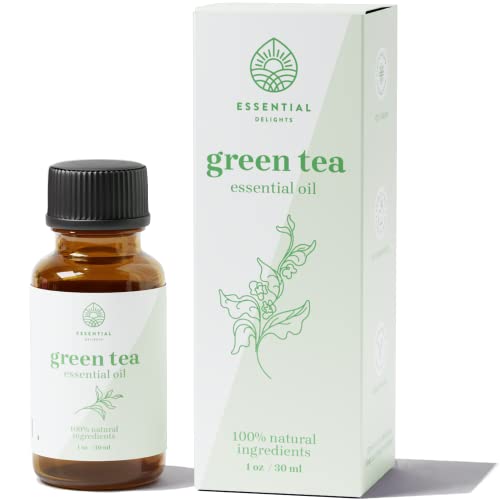
Green Tea
Bergamot and tea give the wearer something more specific to picture than a general promise of freshness. Oakmoss rounds out the brief for someone who likes green notes but finds a straight lemon scent a little sharp.
Try it on a strip if you prefer citrus to dessert notes.
Trade-off. Choose something else for someone asking for a rich dessert vanilla.
Calvin Klein CK One
CK One gives a shopper two simple clues in citrus and green tea. Its unisex positioning makes it an easy starting place for someone who shops across the usual fragrance counters.
Choose it for a shared dresser only if both people actually like that fresh style.
Trade-off. A shared label does little for the person who prefers spicy wood to citrus.
Nautica Voyage
Apple, water lotus and cedar give Voyage three recognizable reference points. Think fresh fruit and a watery floral against wood when deciding if it belongs on the short list.
If a fresh everyday scent appeals more than a sweet one, sample it alongside a bottle you already know.
Trade-off. Skip this direction if the wearer specifically asks for smoky wood or spice.
Pacifica Island Vanilla
Island Vanilla puts a warm tropical spin on a familiar sweet note. Its one-ounce spray makes a reasonable middle ground between a tiny dabber and a full-size perfume that will take ages to finish.
Choose it if the words warm and sweet are the part of a vacation perfume that you remember.
Trade-off. Pass if you want a dry wood or the smell of a freshly split vanilla pod.
Demeter Sandalwood Cologne Spray
A sandalwood cologne gives the wearer a specific wood to consider instead of a long list of unfamiliar notes. Its four-ounce spray makes sense for a known sandalwood fan, especially someone who likes a single clear theme.
It is also a helpful foil for sweeter and more floral choices.
Trade-off. A wearer who enjoys a complex changing bouquet may find the narrow theme limiting.
Nemat Vanilla Musk
Vanilla Musk is the choice for someone drawn to the softer association of musk alongside sweetness. The ten-milliliter roller makes it easy to repeat roughly the same application on different days.
The two named scent ideas also give a newcomer a useful comparison with a simpler vanilla roller.
Trade-off. A wearer who wants a fine spray over a broad area should choose another format.
Pacifica Take Me There
Five scents in a spray trial set put the comparison in the wearer's hands. The spray format is useful for someone who knows they dislike touching a dabber to skin.
It is also easy to split the trial across several mornings, giving each scent a chance on its own.
Trade-off. A trial set supplies less of the winner than a bottle bought after sampling.
Maison Louis Marie Oil Discovery Set
Five three-milliliter oils give a curious wearer enough variety to compare sandalwood and vetiver in Bois de Balincourt with coconut in Nouvelle Vague or vanilla in Vanille Infinie. Matching roller formats make those comparisons easier.
This is a particularly good fit for someone who already knows they enjoy applying oils.
Trade-off. Five small rollers will disappoint someone seeking a conventional spray.
Fragrance for beginners
Use scent families as shelf labels
Picture three shelves labeled flowers, woods and desserts. You can place a perfume on the shelf that best describes your main impression and still notice an idea from another shelf.
A perfume with jasmine and vanilla might read as a flower to one person and a sweet cream to another. Moving it between shelves changes nothing about the liquid.
What matters for shopping is identifying the feature that you want to repeat. If your favorite brings dry wood to a sweet base, look for that pairing before buying the next perfume simply labeled woody.
Give the dry-down a separate vote
Take one strip for each candidate and write the full name on the unscented end before spraying. Set the strips apart and come back after doing something else.
Circle the one you would still like near you when the sharp first impression has settled. On another day, wear just that candidate according to its label.
Make one note as you leave and another when you return. A wonderful opening can be enough for an occasional treat, but the middle of the day deserves a vote when the bottle will be your regular companion.
Check the opening as carefully as the scent
Zoom in on the product description and look for spray, splash, dabber or roll-on. A little bottle shaped like a big perfume may have a stopper where you expected a pump.
Someone with a favorite morning ritual might care more about that detail than about the name on the box. A spray gives the wearer an area to aim at.
A roller makes contact with the spot you select. A splash asks you to control the amount as you pour.
Think through opening, applying and closing the bottle with the space and time you usually have.
Keep a tiny wear diary
Write down your first impression, what you notice later and whether you would choose the scent again. Try the second perfume on a different day with a similar routine. Note any scented hair products or clothing that could influence the comparison.
Decide what belongs beside the first bottle
Write down the week ahead in ordinary language. If the first bottle covers work, the weekend errands and dinner out just fine, leave the next space empty.
If you love it for dinner and never want it first thing in the morning, that empty space now has a job. Look for one sample that answers that specific need.
Resist buying a second bottle simply because it sits next to the first in a brand's collection. Two fragrances that differ on a list can still end up competing for exactly the same morning in real life.
Match the volume to the evidence
Lay out the sizes in plain terms before choosing. A set of five three-milliliter bottles contains fifteen milliliters altogether, yet only three of the eventual favorite.
A single ten-milliliter roller gives the wearer more of that one scent. Neither is inherently the better buy.
A collector who likes a different choice on different mornings gets real use from variety. Someone who has emptied the same perfume twice is more likely to value a refill of the familiar one.
Include the amount of shelf space and whether the bottle needs to fit in a small pouch in the decision.
Translate the notes into a buying decision
Try drawing a line under the two words that sound best and putting a question mark beside anything you generally avoid. A list containing both vanilla and flowers might be ideal for someone who likes vanilla tucked behind a bouquet.
It gives much less certainty to a person who wants a warm cookie without a trace of petals. The order of words on a shopping page gives a rough picture at best.
If the same note appears in both the favorite and the failed purchase, look at what surrounded it before ruling the note out altogether.
Give a sample a fair audition
Use a different piece of paper for each candidate. Write the name down right away, including the version, because two blue bottles can be surprisingly easy to confuse once they are out of sight.
Narrow the selection on paper, then use the maker's directions for a separate wear trial. Keep the rest of your routine simple that day.
The question to answer at the end is quite practical. If both bottles were on the shelf tomorrow morning, which one would you reach for, and where would you wear it?
A specific answer is a better reason to buy than a long note list.
Separate the first minute from the rest of the day
An opening that grabs your attention at the counter can be the very thing you stop noticing once the fragrance settles. Revisit a labeled strip away from the display.
On a wear day, jot down which feature remains by the time you leave home and which one you notice later. If the advertised citrus was the entire reason for buying and you mostly smell wood later, take that seriously.
Another wearer may prize exactly that change. Both observations are useful when they describe the specific part of the wear that matters to you.
Compare the amount you expect to use
When two sizes are available, divide each current checkout total by its listed volume in the same units. Then ask a second question before choosing the lower unit cost.
How much of that bottle do you actually expect to finish? A big bottle of a scent you rarely reach for can be a worse purchase than a modest size that is empty by the time you want a change.
For a mixed set, count the pieces you intend to wear. A second bottle of the same scent is useful only if you want more of it.
FAQ
How many perfumes should a beginner own?
One you enjoy is enough. A few samples can help decide whether a second full bottle would add anything.
Do you need to recognize individual notes?
No. Words such as sharp, warm, dry and sweet can guide a purchase even if you cannot name the ingredients.
Should the second fragrance be stronger?
Only if that fills a real need. A different smell in a similar strength can be a more useful contrast.
Can a discovery set be the whole collection?
Yes. Wear the minis as long as they serve your routine and replace only the ones you miss.
Bottom line
Start with two contrasting samples and buy the one you want to wear again. Give the next bottle a job before giving it shelf space.